
Why Rustic Mirrors Are the Secret Weapon of Cozy Modern Homes (2026 Trend)
You can make any room feel warmer and more lived-in by adding a rustic mirror that balances texture, light, and character. A well-chosen rustic mirror brightens space, adds homey texture, and ties modern and vintage pieces together to create a cosy, up-to-date look.
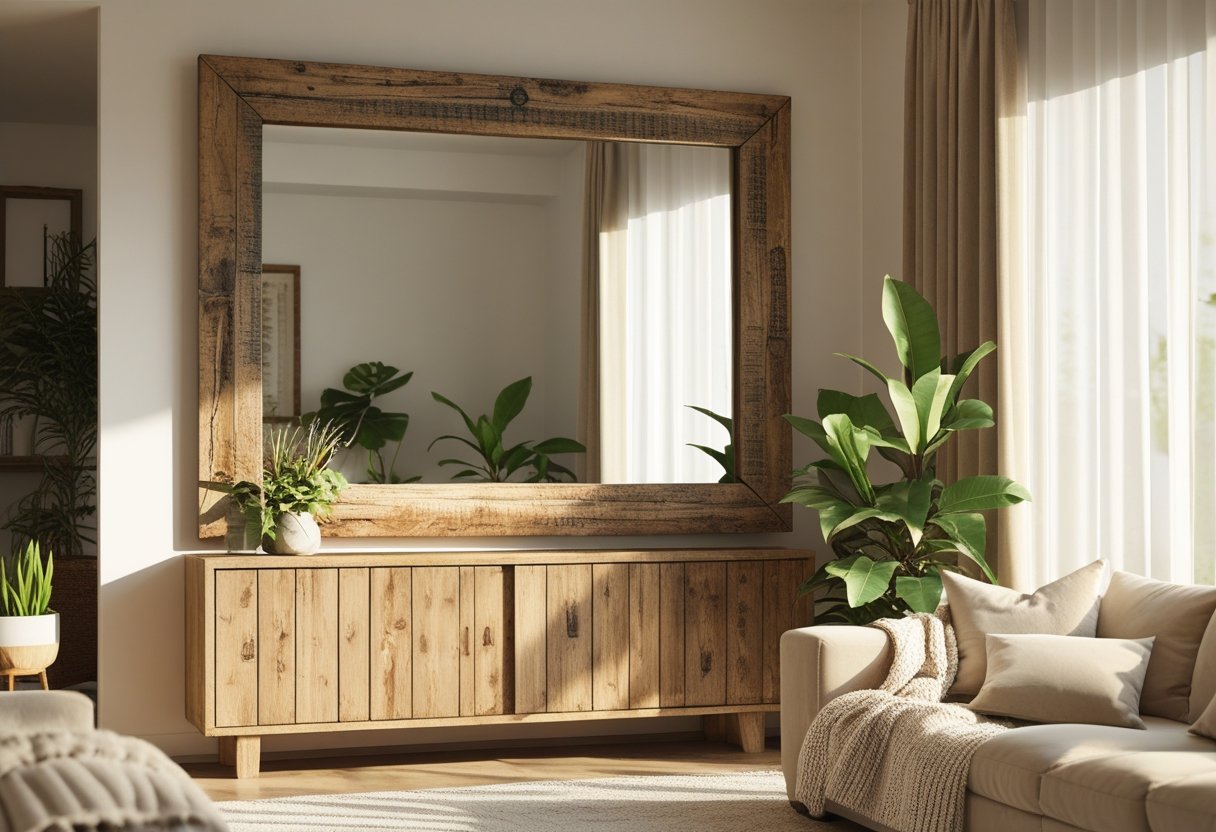
Picture a mirror with a reclaimed wood frame or a distressed metal edge catching morning light and reflecting a soft palette across your living room or hallway. You’ll find that rustic mirrors work with sleek sofas, farmhouse tables, and pared-back modern fittings to make each space feel intentional and welcoming.
Key Takeaways
- Rustic mirrors lift light and warmth to make spaces feel cozier.
- Texture and age-worn finishes link modern and vintage decor effectively.
- Choose size, shape and frame material to suit each room’s purpose.
The Rise of Rustic Mirrors in Modern Interiors
Rustic mirrors now anchor many living rooms, bathrooms and entryways. They add warm texture, reflect light into tight spaces, and pair well with streamlined furniture and neutral palettes.
Shift Towards Warmth and Organicism
You crave warmth in rooms dominated by glass, metal and pale colours. A wooden-framed rustic mirror brings natural grain, knots and warm tones that soften cold surfaces. In a modern farmhouse living room, place a reclaimed oak mirrorabove the fireplace to balance matte black fittings and linen sofas.
Use mirrors to boost natural light in small hallways or north-facing kitchens. Position a large rustic mirror opposite a window to bounce daylight and make the space feel larger. Choose untreated or lightly whitewashed frames if you want a coastal-farmhouse look; choose darker, chunky frames for a vintage farmhouse or cosy lodge vibe.
The Allure of Imperfection and Authenticity
You notice unique marks, nail holes and weathered paint because they signal real wood and a story. These imperfections contrast with factory-perfect surfaces and make a room feel lived-in. In bathrooms, seal a reclaimed frame to keep the character without risking moisture damage.
Buy or commission pieces with visible grain or reclaimed timber to add authenticity. A carved or distressed frame becomes a focal point above a console or in a bedroom, where texture matters more than symmetry. This imperfect look also supports sustainable choices when you use upcycled materials.
Blending Old and New: A 2026 Perspective
You can mix rustic mirrors with minimalist fittings for a modern contrast that feels intentional, not accidental. In 2026, designers pair slimline mirrors with chunky reclaimed frames or mount a vintage farmhouse mirror on a plaster feature wall to create depth.
Try pairing a rustic mirror with matte black or brushed brass hardware. The contrast highlights both elements: the mirror’s warmth and the metal’s precision. For consistent balance, keep surrounding colours neutral and add plants or woven textiles to tie rustic design into a contemporary scheme.
-
Styling tips:
- Hang opposite windows to increase light.
- Use reclaimed wood for eco-friendly authenticity.
- Match mirror scale to furniture—oversized for open-plan spaces, narrow for hallways.
-
Practical note:
- Seal frames for bathrooms and kitchens to protect against moisture.
Signature Characteristics of Rustic Mirrors
Rustic mirrors blend aged materials, bold shapes, and practical design. They add texture, light, and scale to your room while keeping a lived-in, handcrafted feel.
Distressed Wood Frames and Natural Textures
You’ll often see distressed wood frames that show knots, cracks, and worn paint. Reclaimed wood beams or barn wood make frames with visible grain and nail holes. This gives each mirror a one-off look you can’t get from factory finishes.
Choose frames finished in wax or matte sealant to protect wood without losing texture. If the frame uses reclaimed wood, expect colour variation across planks. That variation helps the mirror sit naturally with leather sofas, wool rugs, or industrial metal fittings.
Care is simple: dust the frame with a soft brush and avoid harsh cleaners. For deeper maintenance, use a wood cleaner made for aged finishes so you keep the patina intact.
Grid-Style and Windowpane Designs
Grid-style mirrors mimic old leaded windows using multiple mirror panels set in a frame. You get repeated reflections that add depth without a single overwhelming sheet of glass. This style works well above mantels or behind dining tables.
Look for grids with slim mullions or thicker timber bars, depending on whether you want a delicate or bold look. Metal grids give an industrial edge, while timber mullions keep the rustic feel. Mirrors with true divided panels are easier to ship and replace if a pane breaks.
Position a grid mirror opposite a light source to multiply daylight. You’ll achieve a subtle brightness boost and a sense of architecture in the room.
Oversized and Statement Mirrors
Oversized mirrors act as focal points and can visually expand small spaces. A full-length rustic mirror with a chunky frame or a large round mirror framed in distressed wood reads as both practical and decorative. You can lean them against a wall or hang them securely above a console.
When sizing, match the mirror to the furniture dimension—cover two-thirds of a console width or mirror the height of a sofa back. Oversized mirror panels made from multiple sections reduce weight and make installation easier.
Use an oversized rustic mirror to anchor a gallery wall or to reflect an eye-catching feature such as a reclaimed wood beam. This gives you scale and warmth at the same time.
Creating Cosy and Inviting Spaces with Rustic Mirrors
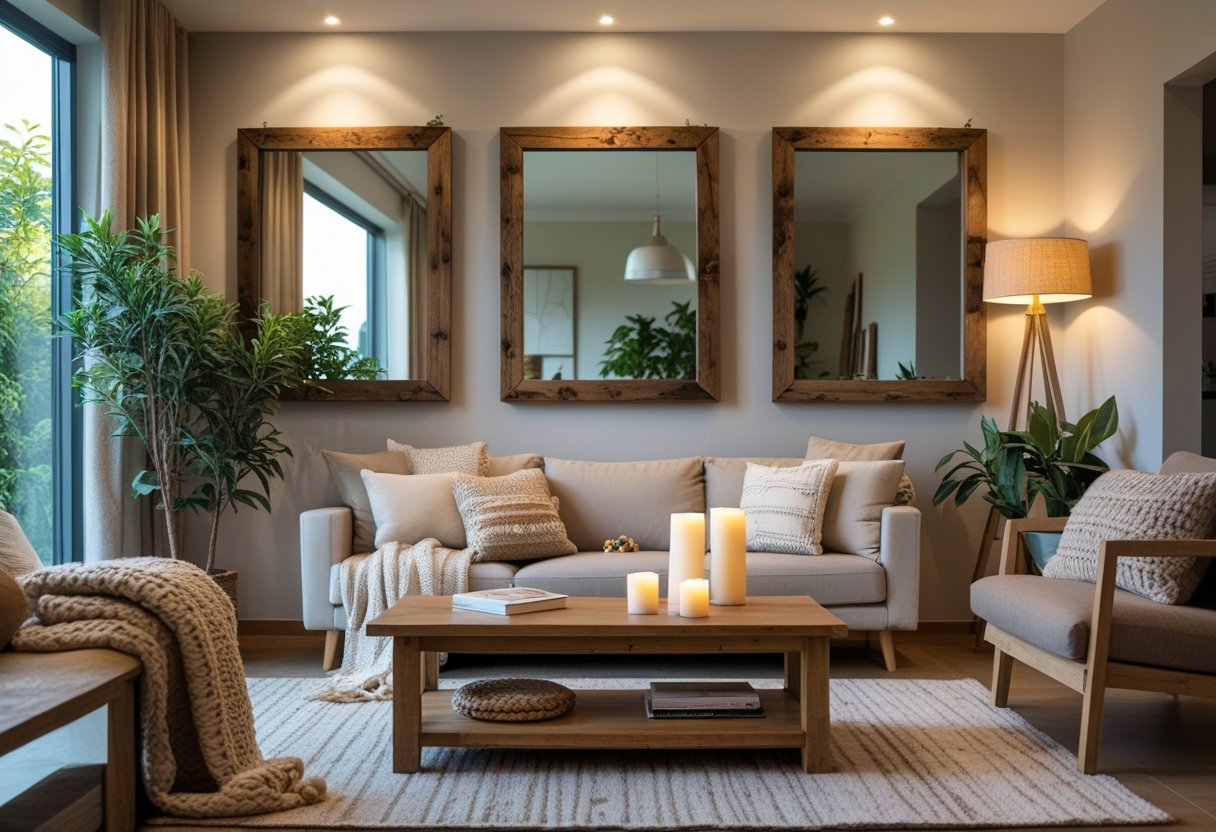
Rustic mirrors make rooms feel warmer, larger, and more lived-in. They boost natural light, echo earthy tones, and help you mix smooth and rough surfaces for a calm, layered look.
Amplifying Natural Light and Depth
Place a rustic mirror opposite or near a window to reflect daylight into darker corners. A reclaimed wood frame will bounce warm sunlight while the grain adds visual interest. This simple move brightens hallways and living rooms without extra lamps.
Hang mirrors at eye level above a console or sofa to create a focal point and draw the eye across the room. Use narrow, tall mirrors in slim hallways to add perceived height. For wide rooms, pair two mirrors to create depth and a sense of balance.
Avoid glossy, modern frames if you want soft light. A distressed or matte finish diffuses reflections slightly, reducing glare and giving the room a gentler glow.
Reflecting Earthy Tones and Warm Palettes
Choose a frame that matches your room’s palette: walnut or oak tones suit deep browns and terracotta, while pale pine or whitewashed wood pairs well with creams and soft greens. The mirror should echo existing colours, not fight them.
Position a rustic mirror where it can pick up layered textiles like wool throws or linen curtains. The mirror will mirror texture and colour, reinforcing a cosy palette across the room.
Use the mirror to highlight small colour accents. For example, angle it to catch a rug’s terracotta stripe or a cushion’s olive tone so those earthy hues feel more prominent without new décor purchases.
Balancing Textures and Finishes
Pair rough, reclaimed frames with smooth surfaces to create pleasing contrast. A chunky wooden mirror looks balanced above a sleek media unit or a glossy kitchen splashback. That mix keeps the room modern but warm.
Combine mirrors with natural textures such as jute rugs, linen curtains, and woven baskets. These elements work together: wood frames amplify texture, while soft textiles soften the overall feel.
If your room features many gritty elements—exposed brick or raw timber—choose a mirror with gentle distressing rather than heavy carving. That keeps the look balanced and stops the space feeling cluttered.
Perfect Pairings: Rustic Mirrors and Modern Farmhouse Elements
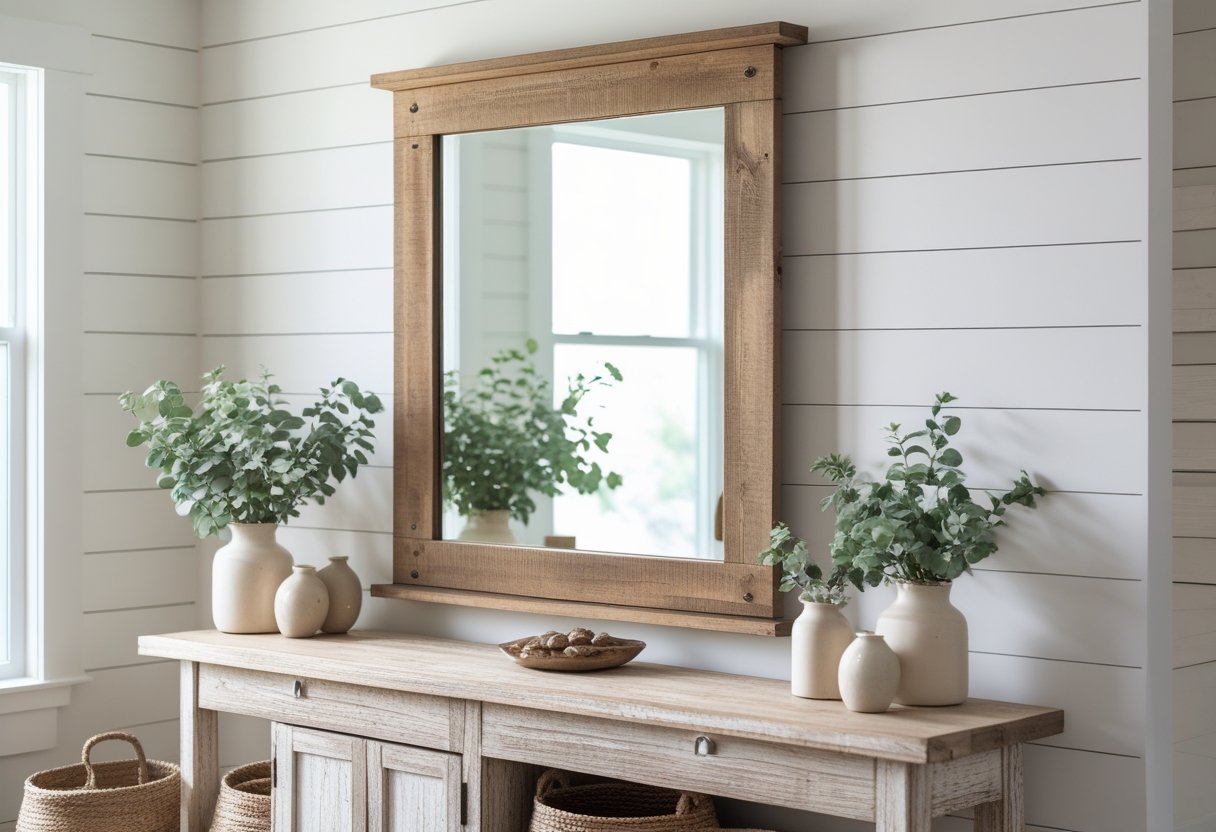
Rustic mirrors add warmth, texture and scale. They work with light-coloured walls, reclaimed wood furniture and simple metal accents to make rooms feel lived-in without clutter.
Farmhouse Decor Essentials
Choose a mirror frame that echoes other wood tones in the room. A whitewashed or distressed frame complements a shiplap wall and ties into painted cabinetry or a wooden coffee table. Match the frame’s warmth with soft textiles — linen cushions, a woven rug — to keep contrast gentle.
Place the mirror above a stone fireplace or mantel to reflect firelight and make the hearth read as the room’s focal point. In narrow hallways, a round or rectangular mirror gives practical function while visually widening the space. Keep hardware and hooks matte black or brass to link the mirror with lights and cabinet handles.
Contrasting Modern and Rustic Accents
Use a rustic mirror as a bridge between modern lines and aged textures. Pair a slim, matte-black framed mirror with a minimalist sofa to balance clean geometry and rustic beams. The dark frame provides a crisp edge against pale walls and the softness of farmhouse fabrics.
Introduce a few industrial pieces — a metal side table or simple pendant light — but avoid shiny chrome. Let the mirror’s weathered wood offset the metal’s coolness. For kitchens, hang a small distressed mirror near open shelving to reflect cookware and brighten the workspace without breaking the farmhouse mood.
Incorporating Statement Pieces
Make a large arch or windowpane mirror the room’s main statement. Position it above a wide wooden coffee table to bounce light across seating and highlight rustic beams overhead. The scale should match the mantel or wall so the mirror feels intentional, not tacked on.
When using a statement mirror, limit nearby decor. One or two framed prints or a single cluster of candles keeps the focus on shape and texture. If you choose an oversized mirror with a heavy reclaimed frame, balance it with lighter textiles and a simple rug so the room feels grounded but not heavy.
Links to helpful examples: farmhouse mirror ideas (https://www.nikkisplate.com/45-farmhouse-mirror-ideas/) and a deep guide on mirror styles for rustic and farmhouse décor (https://www.edwardmartin.com/blogs/information/what-type-of-mirrors-fit-rustic-or-farmhouse-decor).
Room-by-Room Inspiration for Rustic Mirror Styling
Rustic mirrors bring warmth, texture and extra light where you need them most. Use reclaimed wood frames, distressed finishes or slim metal accents to match your furniture, fabrics and plant collection.
Farmhouse Living Room 2026 Trends
Choose a large reclaimed-wood mirror above the fireplace to anchor a farmhouse living room 2026 look. Place it so it reflects a window or a hanging plant; that boosts natural light and makes the room feel bigger. Pair the mirror with a low-profile sofa in neutral linen and a chunky jute rug for a boho farmhouse vibe.
Layer with botanical prints on the walls or cushions to add green tones without clutter. Keep other frames simple—black metal or thin oak work well—to balance the mirror’s rustic weight. For a modern twist, hang a round mirror with weathered paint next to a slim, matte-black lamp.
Cosy Bedrooms and Textured Layers
In a bedroom, use a vertically oriented rustic mirror as a dressing mirror or lean a wide frame against the wall to create depth. Position it opposite soft lighting so the reflection is gentle at night. Choose a whitewashed or light-pine frame if you want an airy Scandinavian-farmhouse blend.
Build textured layers: a wool throw, linen sheets, and a woven headboard work with a chunky wooden frame. Add one or two botanical prints above a bedside table to tie in natural colour. If space is tight, use a slim mirror beside the wardrobe to keep sightlines open.
Inviting Entryways and Hallways
Hang a medium-sized rustic mirror above a narrow console to catch coats and keys as you come in. Pick a frame with hooks or a shelf to add function without extra furniture. A distressed rectangular mirror reflects light down a long hall and makes the space feel less cramped.
Combine the mirror with a single statement plant or a small cluster of botanical prints to create a welcoming focus. Match the frame to your flooring tone—dark wood frames suit oak floors, while bleached frames lift painted hallways.
Trends and Tips: Choosing the Right Rustic Mirror in 2026
Pick a mirror that brings warmth, texture and a clear visual anchor to your room. Think about scale, frame material, and how the mirror will sit against deep colours or modern finishes.
Mixing Vintage and Contemporary Flair
Choose a vintage mirror with an aged patina or gilt frame to add instant character. Place it above a pared-back console or a minimalist fireplace to create contrast. The old frame reads as crafted and lived-in next to sleek surfaces, so balance ornate edges with simple furniture lines.
Match sizes carefully. A single large vintage mirror can replace art and make a hallway feel larger. Alternatively, hang a small cluster of mismatched antique mirrors above a modern sideboard for an intentional collected look.
Keep reflections tidy. Position the mirror to reflect light or a green view rather than clutter. That preserves the vintage charm while keeping your space modern and calm.
Embracing Sustainable and Handcrafted Pieces
Prioritise mirrors with reclaimed wood frames or locally made metalwork to reduce environmental impact. Handmade pieces often show unique tool marks and irregular finishes; those imperfections add authenticity you can’t get from mass-produced frames.
Ask about provenance: reclaimed oak, barnwood, or reclaimed pine give distinct grain and age marks. These woods pair well with wool throws and linen upholstery. Choose finishes that are oiled or waxed rather than heavy varnish to keep a natural feel.
If you DIY, consider distressing techniques on a second-hand frame. Sanding corners and adding a thin whitewash can mimic vintage charm while keeping costs low. Handcrafted frames hold up better over time and age more gracefully.
Playing with Dark Accents and Moody Greens
A rustic mirror looks bold against a deep forest green wall. The dark backdrop makes wood tones and antique metals pop, creating a cosy, layered look. Use a mirror with a warm-toned frame to bring contrast and avoid a flat, monochrome effect.
Pair dark accents—like black iron brackets or charcoal moulding—with brushed brass or aged bronze frames for depth. Small mirrors with dark frames can act as punctuation points in a gallery wall, while oversized mirrors anchor a sitting room painted in moody green.
Mind the lighting: add warm LED picture lights or sconces with dimmers to soften reflections. That keeps the mood inviting and highlights the mirror’s vintage charm without losing detail in shadow.
Frequently Asked Questions
Rustic mirrors add warmth, texture, and light while fitting with sleek furniture, muted palettes, or bold industrial pieces. They can increase perceived room size, act as statement pieces, and stay durable when you pick the right frame and finish.
What are the advantages of incorporating rustic mirrors into modern home decor?
You get warmth from natural wood grain and aged finishes that softens hard modern lines.
Rustic mirrors introduce tactile texture and visual interest without needing extra colour or patterns.
They also bring handcrafted character that makes mass-produced décor feel less sterile.
A single well-placed rustic mirror can lift a plain wall and tie together other wood or metal elements.
How do rustic mirrors enhance the spaciousness and lighting of a room?
Mirrors reflect natural and artificial light, brightening darker corners and hallways.
Placing a mirror opposite a window can double visible daylight and reduce the need for extra lamps.
Large or vertically oriented mirrors draw the eye up and make ceilings feel higher.
Even narrow rooms look wider when you add a mirror that covers at least a portion of the wall.
What are the best materials for rustic mirrors that complement a modern aesthetic?
Reclaimed oak and walnut deliver warm tones and natural knots that suit modern neutrals.
Steel or iron accents on the frame add a subtle industrial edge that pairs well with contemporary furniture.
Waxed or matte finishes keep glare low and feel more refined than high-gloss treatments.
Avoid overly ornate carving if you want the mirror to blend with minimalist lines.
Can rustic mirrors be a focal point in minimalist interior designs?
Yes — a single rustic mirror can replace multiple decorative items and still read clean.
Choose a simple frame with visible grain and a restrained profile to keep the minimalist balance.
Use scale carefully: a large mirror on an empty wall becomes the main feature without cluttering the room.
Keep surrounding décor minimal so the mirror’s texture and finish stand out.
How do you maintain and clean rustic mirrors to preserve their quality?
Dust frames regularly with a soft, dry cloth to prevent grit from scratching the finish.
Clean the glass with a diluted vinegar solution or a mild glass cleaner; spray on the cloth, not directly on the frame.
For wooden frames, apply a small amount of beeswax or specialised wood oil once or twice a year.
Avoid abrasive pads, bleach, or soaking the frame; excess moisture can warp or discolour the wood.
What are the key design tips for integrating rustic mirrors with contemporary furnishings?
Match one material from the mirror frame—wood tone or metal trim—with a furniture piece or lamp.
Use mirrors to balance negative space: hang above a low console or opposite seating to anchor the layout.
Mix frame shapes: pair a round rustic mirror with rectilinear sofas for contrast.
Keep proportions right—small rooms suit tall, narrow mirrors; large walls suit wider pieces.