
Handmade Rustic Wall Mirror UK: A Complete Style & Buying Guide
You can give any room instant warmth and character with a handmade rustic wall mirror crafted in the UK that mixes natural timber and honest construction. A handmade rustic mirror gives you a durable, unique focal point made from reclaimed or solid wood and built to fit your exact space and style.
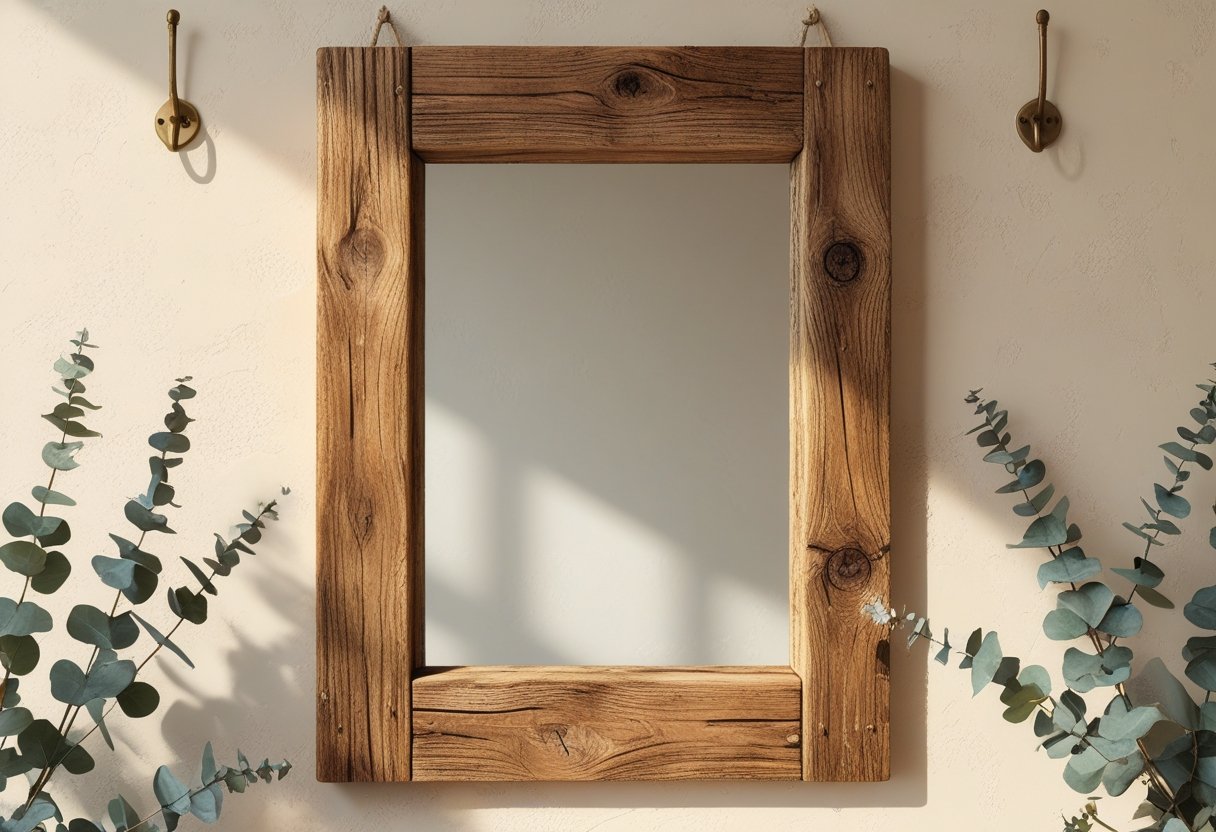
Browse a wide range of styles—from driftwood frames to chunky oak—and choose sizes, finishes and fittings that match your home. Check makers who offer custom sizes and local craftsmanship so your mirror arrives built to last.
Key Takeaways
- Handmade rustic mirrors add natural warmth and a unique focal point to your room.
- You can choose custom sizes, finishes and materials to suit your space.
- Buy from UK makers who use solid or reclaimed wood and offer durability.
What Is a Handmade Rustic Wall Mirror?
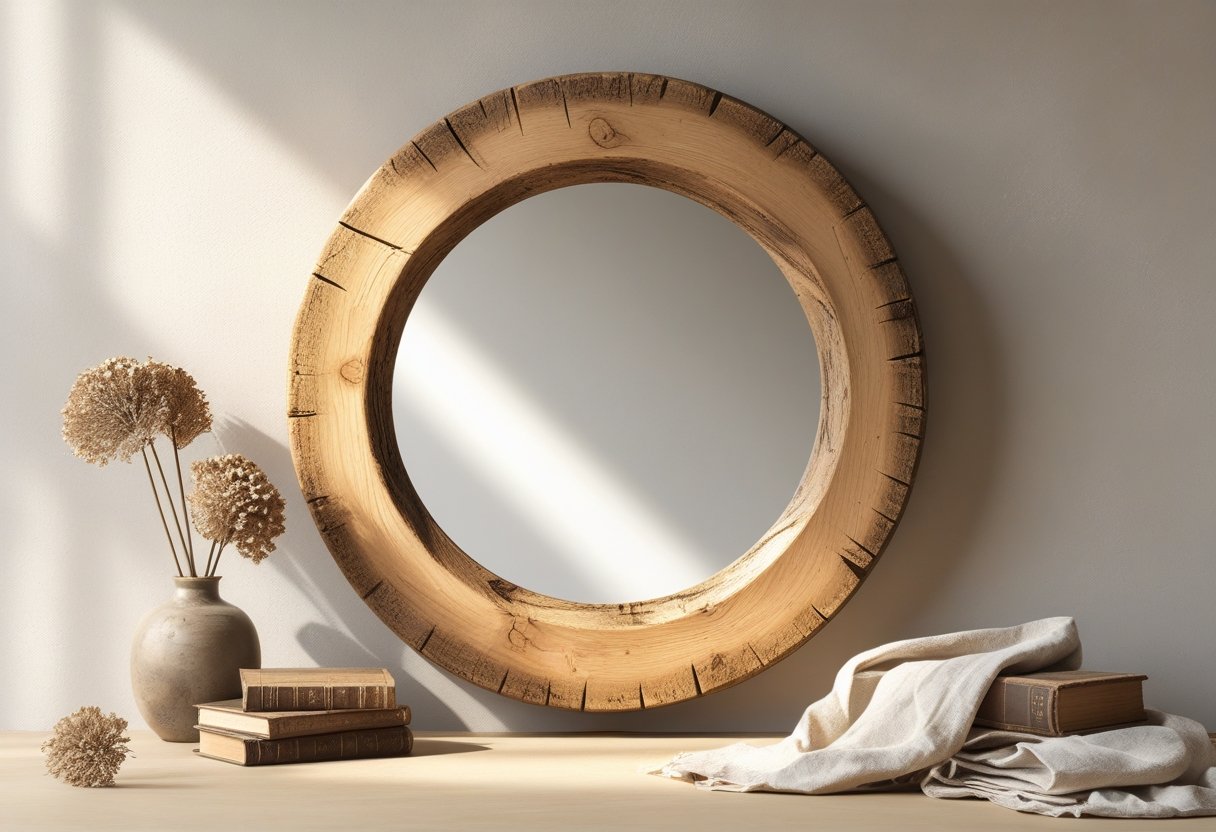
A handmade rustic wall mirror blends visible joinery, natural wood textures, and practical function. You’ll see warm tones, uneven edges, and finishes that let the wood grain show through.
Defining Handmade and Rustic in Mirror Design
Handmade means a craftsperson cuts, shapes and assembles the frame by hand rather than using factory moulding lines. You should expect visible tool marks, routed joints, and finishing choices made to suit the timber—oak, pine, elm or reclaimed chestnut are common. Hand cutting allows custom sizes and repairs later, so the mirror can fit a tight hallway or a bespoke dressing area.
Rustic refers to an aesthetic that highlights natural flaws and age. Frames are often distressed, wire-brushed or left with knots and sapwood showing. Driftwood and reclaimed wood create a weathered look without heavy varnish. Rustic wooden mirrors usually use thick, chunky frames to give a tactile, solid feel.
Key Characteristics of Rustic Wall Mirrors
Look for these traits when you choose a rustic wooden mirror: thick, visible frames; uneven or hand-planed edges; natural finishes like oil, wax or matte lacquer; and joins that celebrate the timber rather than hide it. Glass will usually be standard clear or slightly antiqued, and backing/fixings are robust—D-rings, keyholes or French cleats for secure wall hanging.
Sizes vary from small bathroom mirrors to large hallway pieces. Finishes are important: an oil finish keeps the grain visible while a whitewash or limewash softens colour without losing texture. If you want an outdoor look, reclaimed oak or driftwood mirrors offer weathered patina and eco-friendly appeal.
Benefits of Choosing Handmade Over Mass-Produced
When you choose handmade, you get custom fit and the ability to pick timber, finish and size. A maker can match frame depth to your wall and recommend thicker glass for a larger piece. Repairs tend to be easier because the maker knows the construction.
Handmade rustic mirrors use real timber and joinery, which usually outlasts thin veneered frames from factories. You get a unique piece—no two frames will have the same grain, knot pattern or distress marks. That uniqueness adds character to a living room, bathroom or garden wall and often gives better long-term value.
Find makers who list materials and construction details so you can confirm the timber type and hanging method before you buy, for example from specialised shops that sell bespoke wooden mirrors and rustic mirrors.
Popular Styles and Materials in the UK
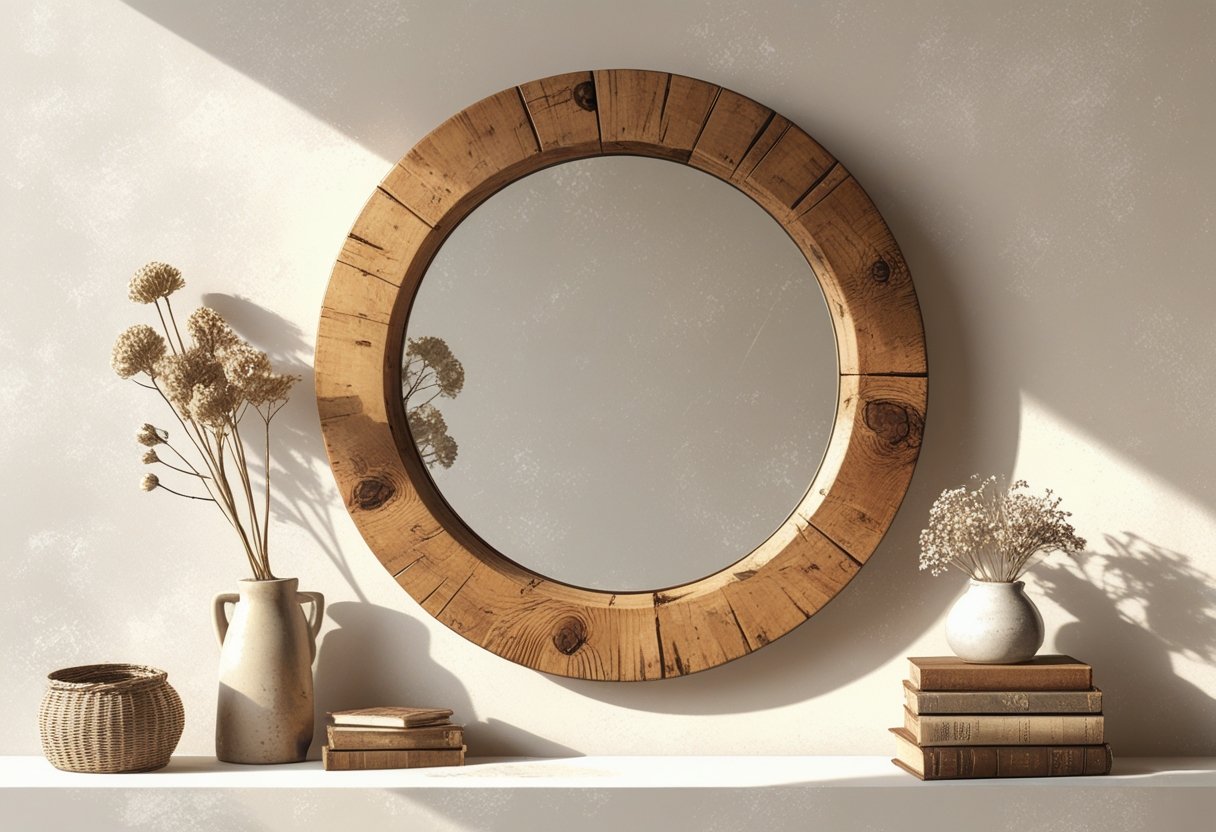
You’ll find wooden mirrors that emphasise natural grain, reclaimed character, or smooth contemporary finishes. Many makers balance durability with visual warmth so your mirror works above a fireplace, in a hallway, or as a statement piece.
Types of Wood and Finishes Used
Oak, pine and reclaimed barnwood are common choices for rustic wooden mirrors in the UK. Oak gives you tight grain and long life; it takes stains and oils well. Pine is lighter in weight and more affordable, showing knots that add character when left unfinished or whitewashed.
Reclaimed wood brings varied colour and weathered texture, often sealed with a clear matte lacquer to keep the patina. Teak appears sometimes for moisture-prone rooms because it resists warping. Finishes you’ll see include natural oil, wax, distressed paint, and matte varnish — each affects tone and maintenance. Ask makers about moisture resistance if you plan to hang a wooden mirror in a bathroom.
Frame Shapes and Design Variations
Rectangular and round frames dominate, but you’ll also find arched and sunburst designs. Rectangles work well over mantels and console tables. Round frames soften geometric rooms and suit smaller hallways.
Frame width varies from thin, contemporary rims to chunky, hand-hewn beams. Shelved frames and overmantle styles add storage or display space. You might spot inset mirrors with bevelled glass or mosaic-border treatments that mix rustic wood with decorative tiles. When choosing, match frame proportion to wall size and nearby furniture to avoid a crowded look.
Combining Rustic and Modern Elements
Pair rustic wooden mirrors with sleek metal fittings or slim black frames to create a modern-rustic look. A reclaimed-wood frame around a frameless mirror gives contrast: raw texture against clean glass. You can also choose a slim oak frame with a large, bright mirror to boost natural light while keeping warmth.
Mix materials deliberately: pair a rustic mirror with contemporary lighting, or hang a chunky wooden mirror above a minimalist console table. Keep colour balance in mind — pale woods suit Scandi interiors, while darker, aged woods fit cosy country rooms. For bespoke options, many UK makers offer custom stain or mixed-material frames to match your scheme; check individual listings for bespoke services and lead times, such as those offered by some handmade mirror makers.
Customisation Options for Handmade Rustic Wall Mirrors
You can choose size, frame style, finish and mounting to match your wall, lighting and room use. Many makers also offer bespoke features like shelves, hooks, and reclaimed timber for an authentic rustic look.
Ordering Bespoke Mirrors
When you order a bespoke mirror, start with exact measurements for width, height and depth. Provide the wall type (plasterboard, brick, tile) so the maker can recommend fixings and a safe hanging system. Decide whether you want portrait or landscape orientation and whether the mirror must fit between studs or above a fireplace.
Expect to confirm frame material (oak, pine, driftwood, reclaimed chestnut), frame thickness and edge profile. Lead times vary by maker; small workshops often quote 2–8 weeks. Ask for a visual proof or CAD mock-up so you can approve proportions and finish before production.
Personalisation and Unique Features
You can add practical features like an integrated shelf, key hooks or a small coat peg board built into the frame. Choose mirror glass options — standard float, anti-fog for bathrooms, or polished edges — depending on where you’ll place it.
Finishes include natural oil, wax, distressed paint or a smoked stain to match your décor. If you want reclaimed wood, ask about wood history and any stabilisation work. For UK makers who offer bespoke designs, see examples of handcrafted rustic mirrors at MirrorForest for style ideas and custom sizing.
Where to Buy Handmade Rustic Wall Mirrors in the UK
You can find handmade rustic wall mirrors from makers who offer custom sizes and reclaimed materials, and from shops that stock ready-made pieces for quick delivery. Prices, lead times and fixings vary, so check dimensions and mounting details before you buy.
Independent Artisans and Online Marketplaces
Buying directly from an artisan gives you custom sizing, choice of wood (oak, pine, elm, reclaimed) and finishes like wax or aged stain. Look for makers who list exact frame widths, glass thickness and hanging fixings so you can match the mirror to your wall and bathroom humidity. Many UK makers show a customer gallery and offer bespoke options; you can ask for sample finishes or photos of the finished piece before payment.
Use marketplaces for a wide range of handmade options and buyer protection. Etsy hosts many UK sellers of rustic wall mirrors, while dedicated makers like Marc Wood Furniture sell handmade mirrors with local production details. Compare lead times — bespoke pieces often take several weeks — and check postage or courier options for large mirrors.
High Street Versus Boutique Shops
High street retailers and larger online stores offer instant stock and standard sizes, which suits you if you need a mirror quickly. These mirrors often come with clear returns policies and free delivery thresholds, but they may use mass-produced frames rather than reclaimed timber. Check listings for materials and whether the glass is 4mm crystal-clear or cheaper alternatives.
Boutique shops and specialist retailers focus on handcrafted, higher-quality frames and often stock limited runs or local makers. Shops such as MirrorForest and specialist rustic furniture outlets list bespoke services and can build to exact measurements. Visit a showroom when you can to inspect joinery, frame texture and finish in person.
How to Choose the Right Rustic Mirror for Your Space
Pick a mirror that fits the wall, complements your existing colours, and hangs at the height people will use it. Think practical size, the wood tone or finish, and the best spot for light and use.
Matching Size and Proportion to Your Room
Measure the wall and the furniture near it before you order. For a hallway, aim for a mirror that covers about 30% of the wall to make the space feel larger. Above a console table, choose a mirror slightly narrower than the table so it looks balanced.
In bedrooms, a full-length mirror needs at least 120–150cm height for a clear head-to-toe view. For bathrooms, allow a few centimetres of clearance from sinks and tiles. Use masking tape on the wall to test proportions before you commit.
Shape matters too. Vertical mirrors suit narrow walls and make ceilings feel higher. Wide horizontal mirrors work over sofas and mantels to widen the room visually.
Selecting the Appropriate Finish and Colour
Match the frame finish to the room’s palette and materials. Natural waxed wood brings out grain and knots for a reclaimed look, while dark stained wood adds drama and suits farmhouse or cottage rooms.
Consider the room’s temperature and light. Lighter, bleached frames brighten small rooms; darker frames give weight to large, airy spaces. If your décor mixes metals, pick a frame with subtle metal accents or distressed paint to tie everything together.
Think about durability. Outdoors or humid rooms need sealed finishes or treated timber. For custom options, check makers who offer bespoke finishes to match your joinery.
Tips for Placement and Hanging
Hang the mirror so the centre sits around eye level — typically 150–160cm from the floor for general use. Above furniture, leave 8–12cm between the top of a console or mantel and the base of the frame.
Use two fixings on mirrors wider than 60cm to prevent twisting. For heavy, handcrafted mirrors, fit wall anchors or use a cleat system and check the wall type (plaster, brick, stud) before buying fixings. If you want more light, place the mirror opposite or adjacent to a window to reflect daylight into the room.
For grouped layouts, maintain 5–10cm spacing between frames. When placing near doors or walkways, ensure the frame won’t catch on passing items or obstruct movement.
Caring for and Maintaining Your Rustic Wooden Mirror
Keep dust off the frame, avoid direct wet cleaning on bare wood, and check hanging fixings regularly to prevent warping or accidents.
Cleaning Techniques for Wooden Frames
Start by dusting the frame with a soft, dry cloth or a microfibre duster. Work along the grain to lift dust from crevices and joinery. For built-up grime, use a slightly damp cloth wrung almost dry; wipe once and dry immediately with a clean, dry cloth.
If the frame has a wax or oil finish, apply a small amount of natural beeswax or specialised wood oil to a soft cloth and rub gently in the grain. Test on an inconspicuous area first. Avoid ammonia or bleach cleaners — these strip finishes and can discolour the wood or damage the mirror backing.
Use a cotton bud to clean tight corners and avoid spraying any cleaner directly onto the glass or frame. Clean the glass with a lint-free cloth and a mild glass cleaner sprayed onto the cloth, not the mirror, to keep moisture away from the wood.
Protecting Your Mirror from Moisture and Damage
Hang wooden mirrors away from direct sources of steam, such as inside shower cubicles or directly above baths. If you must place a mirror in a bathroom, ensure good ventilation and fit a moisture-resistant seal on the frame’s inner edge to protect the mirror backing.
Check and tighten hanging hardware every 6–12 months. Use wall anchors rated for the mirror’s weight and metal D‑rings or cleats for secure mounting. Pad the frame’s rear contact points with felt pads to prevent abrasion and allow slight air circulation.
For scratches or small nicks, use a matching coloured wood filler or wax repair stick and buff lightly. If the frame starts to lift, separate or warp, consult a professional restorer. For examples of handcrafted wooden mirrors and maintenance tips, see this collection of beautiful rustic handcrafted wood mirrors.
Frequently Asked Questions
This section answers practical points about care, materials, custom sizing, authenticity checks, delivery times and mounting for handmade rustic wall mirrors in the UK. You will find clear, actionable steps and typical expectations for each topic.
How do I care for my handmade rustic wall mirror to maintain its appearance?
Dust the frame weekly with a soft, dry cloth to remove grit that can scratch the finish.
Avoid household sprays or ammonia cleaners on the frame; use a damp cloth and mild soap for stains, then dry immediately.
For the glass, use a lint-free cloth and glass cleaner sprayed onto the cloth, not the mirror.
Keep the mirror out of direct sunlight to prevent wood fading and joint separation.
What are the best materials used in creating quality rustic wall mirrors?
Solid hardwoods such as oak, pine or reclaimed oak give long-lasting structure and natural grain.
Reclaimed wood offers character and environmental benefits but check for stabilised, dry timber to avoid warping.
Look for real glass rather than acrylic for clarity and long-term scratch resistance.
High-quality backing and strong joinery (dovetail, mortise-and-tenon, or well-glued mitres) keep the frame square over time.
Can I request a custom size for a rustic wall mirror, and how does this affect the price?
Most handmade makers offer custom sizes; you can usually choose exact height, width and frame depth.
Larger dimensions increase material and labour costs, so expect a higher price for mirrors above standard sizes.
Complex frame profiles, special finishes or bespoke glass (e.g. antiqued or bevelled) add further charges.
Ask the maker for a written quote that lists size, materials and finish so you know what drives the price.
How can I verify the authenticity of a handmade wall mirror purchased online in the UK?
Check for photos of the workshop, maker biography and clear product process descriptions.
Look for customer reviews that show multiple angles and in-home photos; these give real-life confirmation.
Confirm return policies, a UK business address and contact details before paying.
Ask for production timestamps or a certificate of authenticity if the maker offers one.
What is the expected delivery time for a handmade rustic wall mirror within the UK?
Typical lead times for bespoke handmade mirrors range from 2 to 8 weeks depending on size and maker workload.
Ready-made pieces from stock often ship within 3–7 working days.
Large or fragile items may require specialist courier delivery and an extra few days for booking.
Always check the maker’s stated lead time and whether they provide tracking information.
Are there any special considerations for mounting a heavy rustic wall mirror?
Find wall studs and use suitable fixings rated for the mirror’s weight; a mirror over 15–20 kg usually needs two heavy-duty fixings.
If you cannot hit studs, use high-strength wall anchors designed for your wall type (plaster, brick or stud partition).
Consider a French cleat or mirror rail for safer, level hanging and easier removal.
Get a second person to help lift and position the mirror to avoid accidents and frame damage.